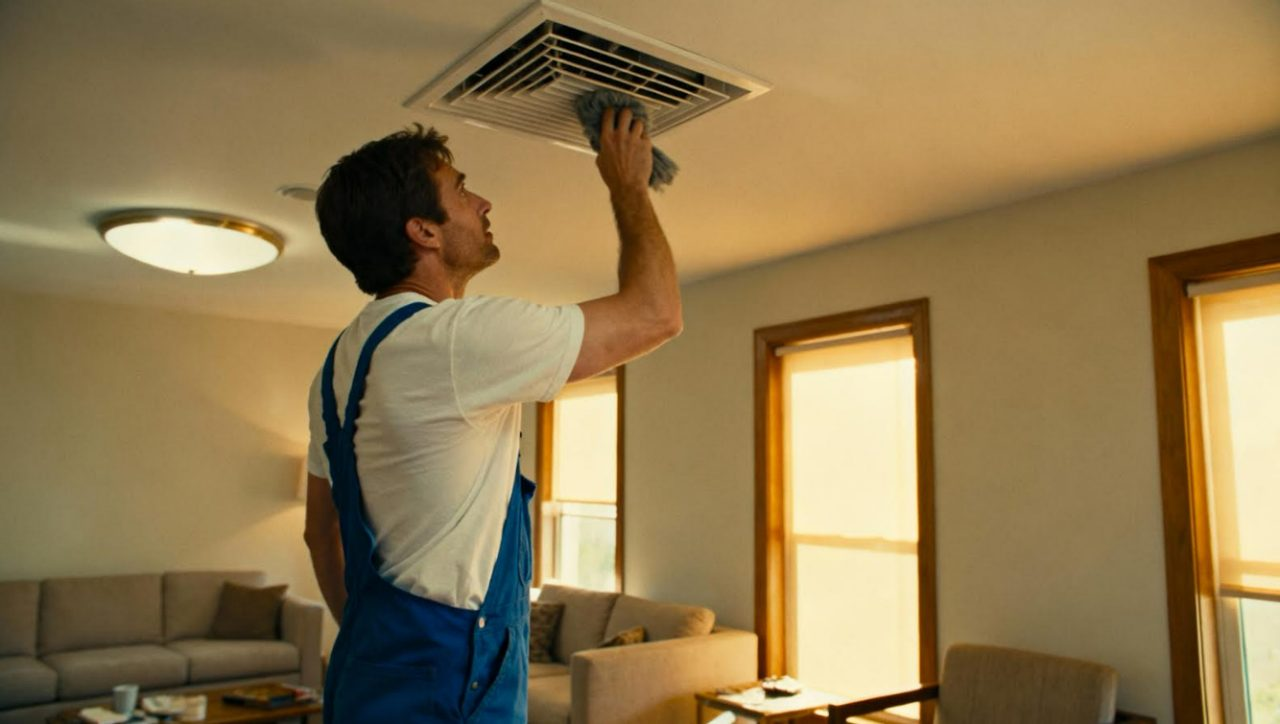
The Role of Air Duct Cleaning in Preventing HVAC System Overheating and Strain
Air duct systems play a central role in how heating, ventilation, and air conditioning units function in homes and commercial spaces. When ducts are clean and unobstructed, air flows smoothly through the system, allowing temperature regulation to remain stable and efficient. However, when dust, debris, and contaminants accumulate inside ductwork, airflow becomes restricted, forcing the HVAC system to work harder than intended.
This added pressure often leads to overheating, mechanical stress, and reduced overall efficiency. Over time, this strain can shorten the lifespan of key components such as blowers, coils, and compressors. Understanding how duct conditions affect system performance is essential for maintaining reliable indoor comfort and avoiding unnecessary energy waste or costly repairs.
Understanding Air Duct Health in HVAC Performance
- How Ductwork Condition Influences HVAC Efficiency
Clean ductwork ensures that air produced by the HVAC system moves freely through vents and returns without obstruction. When airflow is smooth, the system maintains a balanced temperature cycle, reducing the likelihood of overheating. However, when dust layers accumulate on duct walls, the air passage narrows, increasing resistance and forcing the system’s fan and motor to work harder.
This additional workload increases internal heat generation within the HVAC unit. Over time, the continuous effort required to push air through clogged ducts results in wear and tear on mechanical components. Poor duct conditions also disrupt air distribution, causing uneven heating or cooling in different rooms. This imbalance causes the system to run longer cycles to compensate, further increasing the risk of overheating and energy inefficiency.
- Dust Accumulation and Its Direct Impact on System Strain
Dust buildup inside duct systems is one of the most common contributors to HVAC strain. As particles collect over time, they form layers that restrict airflow and reduce system responsiveness. This forces components like the blower motor to operate at higher pressures, generating excess heat. In environments with high humidity or airborne particles, buildup can occur more rapidly, intensifying the strain on the system.
In some cases, maintenance services such as duct cleaning Sebastian are used to address severe blockages that significantly affect airflow efficiency. When dust is not regularly removed, it can circulate back into the HVAC system, further clogging filters and reducing overall performance. This cycle of contamination and restriction places continuous stress on the equipment, increasing the likelihood of overheating episodes and mechanical fatigue across multiple system components.
- Airflow Restriction and Temperature Regulation Challenges
Airflow restriction caused by dirty ductwork directly interferes with the HVAC system’s ability to regulate temperature effectively. When air cannot move freely, the system compensates by extending operating cycles, which increases energy consumption and internal heat buildup. The longer the system runs under restricted conditions, the more strain is placed on its cooling mechanisms, particularly the compressor and evaporator coil. These components are designed to operate within specific temperature ranges, and prolonged exposure to heat stress can reduce their efficiency over time.
Additionally, restricted airflow prevents proper heat exchange, causing the system to struggle to cool or warm indoor spaces evenly. This imbalance not only affects comfort levels but also accelerates wear on internal components, increasing the likelihood of overheating during peak usage periods.
- Impact of Contaminated Coils and Internal Heat Exchange Failure
When duct systems are not maintained, contaminants often reach internal HVAC components such as evaporator and condenser coils. These coils are essential for heat transfer, and when they become coated with dust or debris, their ability to regulate temperature is significantly reduced. As a result, the system must work harder to achieve the desired indoor climate, leading to increased energy consumption and heat production. Poor heat-exchange efficiency also means that excess heat remains trapped within the system, increasing the risk of overheating.
Over time, this can lead to frequent shutdowns or reduced system responsiveness. In addition, contaminated coils can cause uneven cooling cycles, placing further strain on connected components. The longer this condition persists, the more likely the HVAC system is to experience operational instability and performance decline.
- Blower Motor Strain and Mechanical Overload Risks
The blower motor is responsible for pushing air through the duct system, and it is one of the components most affected by restricted airflow. When ducts are clean, the motor operates under balanced pressure, maintaining steady air circulation. However, when dust and debris accumulate, the motor must exert additional force to maintain airflow, leading to increased electrical consumption and internal heat generation. This continuous overload can cause the motor to overheat, reducing its operational lifespan.
In extreme cases, prolonged strain may result in motor failure or reduced airflow capacity. The added resistance in clogged ducts also causes vibrations and irregular operation, which can further damage internal components. Over time, this mechanical stress contributes significantly to system inefficiency and increases the likelihood of unexpected breakdowns.
- Energy Efficiency Decline and Continuous System Overworking
Dirty duct systems not only affect mechanical performance but also have a direct impact on energy efficiency. When airflow is restricted, the HVAC system compensates by running longer and more frequently, which increases electricity usage. This constant operation generates additional heat within the system, further increasing the risk of overheating. As efficiency declines, users often notice higher utility bills and less consistent indoor temperatures.
The system’s inability to reach desired settings quickly leads to repetitive cycling, which places additional strain on all connected components. Over time, this cycle of inefficiency and overworking accelerates wear and reduces the HVAC unit’s overall reliability. Maintaining clean ductwork helps stabilize airflow, allowing the system to operate within normal energy ranges and reducing unnecessary thermal stress.
- Preventive Maintenance and Long-Term HVAC Stability
Regular attention to duct conditions is crucial for maintaining HVAC stability over time. When ducts are kept free from excessive buildup, airflow remains consistent, and the system operates under balanced conditions. This reduces the likelihood of overheating and minimizes mechanical strain on critical components. Preventive maintenance also helps identify early signs of blockage or contamination before they escalate into larger issues.
A well-maintained duct system supports smoother temperature regulation, reduced energy consumption, and extended equipment lifespan. By maintaining clean airflow pathways, the HVAC system can function as intended without excessive stress or overheating. This contributes to more reliable indoor comfort and reduces the need for frequent repairs or replacements.
Sustaining HVAC Performance Through Clean Airflow Systems
Maintaining clean air ducts is a fundamental factor in preventing HVAC system overheating and long-term mechanical strain. When airflow remains unobstructed, the system can regulate temperature efficiently without overworking its internal components. However, when dust and debris accumulate, they create resistance that forces the system to operate at higher pressure, increasing the risk of overheating and reducing performance.
Over time, this strain affects critical parts such as blower motors, coils, and compressors, shortening their operational lifespan. Regular attention to duct conditions helps maintain balanced airflow, improves energy efficiency, and supports stable system performance. By ensuring that air moves freely throughout the duct network, HVAC systems can function more reliably, providing consistent comfort while minimizing unnecessary wear and thermal stress.