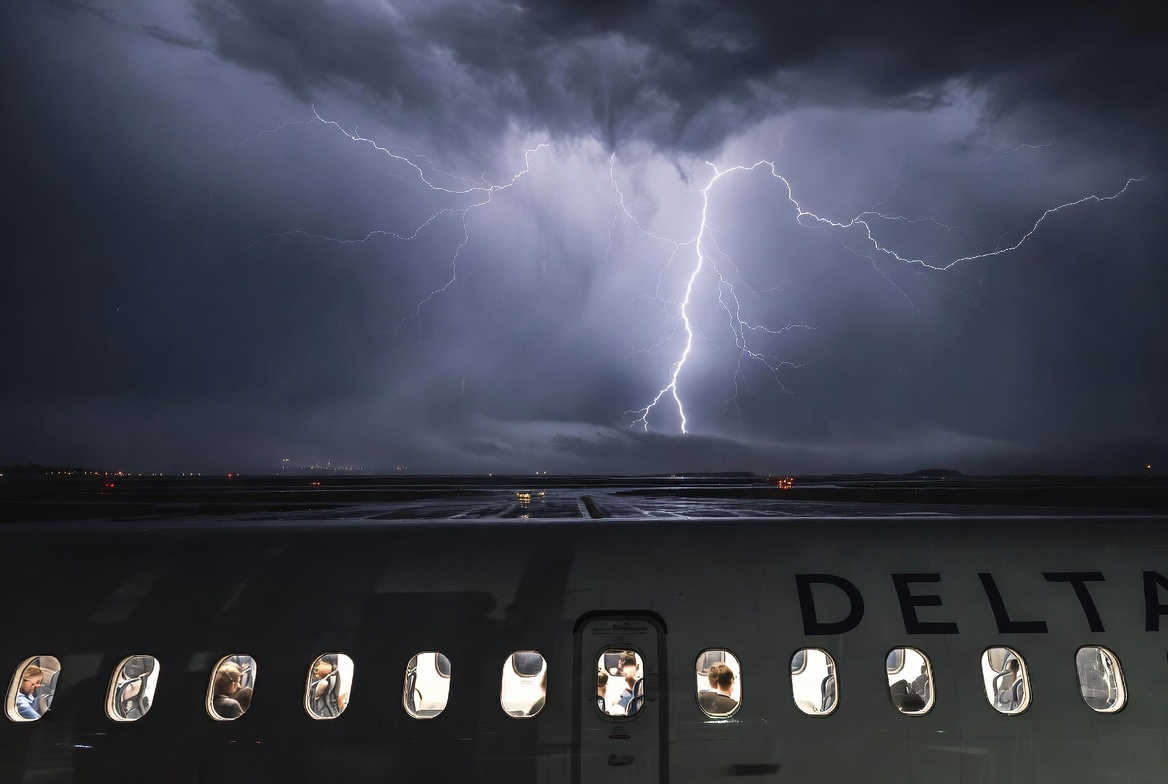
Delta Flights Diverted to Montgomery: Passengers Stuck Overnight
Imagine flying home after a sunny, relaxing beach vacation. Delta Flights Diverted to Montgomery You are less than an hour away from landing, watching the flight tracker screen closely. Suddenly, the captain announces that severe weather is blocking your destination. The plane takes a sharp turn, lands at a small regional airport, and you end up trapped in your seat for over seven hours with nothing but water and a couple of cookies.
This exact nightmare became a reality for nearly 300 travelers when multiple delta flights diverted to moneygomery during an intense wave of spring storms. What was supposed to be a routine trip back to the United States turned into an exhausting, all-night ordeal on the tarmac. This article will break down exactly what happened, why passengers could not leave the aircraft, and how Delta Air Lines is responding to this massive operational failure.
What Caused the Delta Flight Diversions?
The primary trigger for this travel disaster was an intense line of severe thunderstorms that tore through the Southeast United States. Two specific international Delta flights—Flight 1828 from Los Cabos and Flight 599 from Mexico City—were happily cruising toward Hartsfield-Jackson Atlanta International Airport. Atlanta is Delta’s main mega-hub, but the skies above it became completely unsafe. Heavy lightning, dangerous wind shear, and torrential rain forced air traffic controllers to halt incoming arrivals.
Faced with volatile weather and dropping fuel levels, the flight crews had to act fast to keep everyone safe. They scanned the region for an alternative place to land. Unfortunately, nearby major hubs like Birmingham-Shuttlesworth International Airport were also getting hammered by the same brutal storm system. With few safe options left on the radar, the pilots made the tactical choice to steer toward Montgomery Regional Airport (MGM) in Alabama, landing safely around 10:30 p.m.
Why Were Passengers Stranded on the Tarmac?
Landing safely on the ground is usually a relief, but for these travelers, the real trouble was just beginning. Because both planes started their journeys in Mexico, all passengers were legally required to pass through U.S. Customs and Border Protection (CBP) before stepping foot inside the United States. Montgomery Regional Airport is a relatively tiny domestic facility. It does not possess a permanent, 24-hour federal customs station or international processing team.
Because it was late at night, there were zero border officials available to clear the travelers. Delta could not simply let hundreds of international passengers wander into a public domestic terminal without breaking strict federal immigration laws. This regulatory roadblock created a massive logistical gridlock, forcing the aircraft to sit parked on the dark tarmac while corporate offices scrambled to find a solution.
The Lack of Customs and Border Protection at MGM
A major breakdown in this scenario was the complete absence of emergency protocols for international diversions at smaller regional hubs. When delta flights diverted to moneygomery, local airport staff were thrust into an unprecedented situation. It takes significant time and authorization to wake up off-duty federal agents, drive them to a dark airport, and set up a makeshift secure perimeter for processing.
Airlines frequently use domestic regional airfields as safety valves when bad weather strikes. However, this incident highlights a glaring flaw in the system. When international flights are forced into domestic-only airports, passengers essentially become legal ghosts. They are caught in a frustrating bureaucratic limbo between the Federal Aviation Administration (FAA) safety rules and Homeland Security immigration mandates.
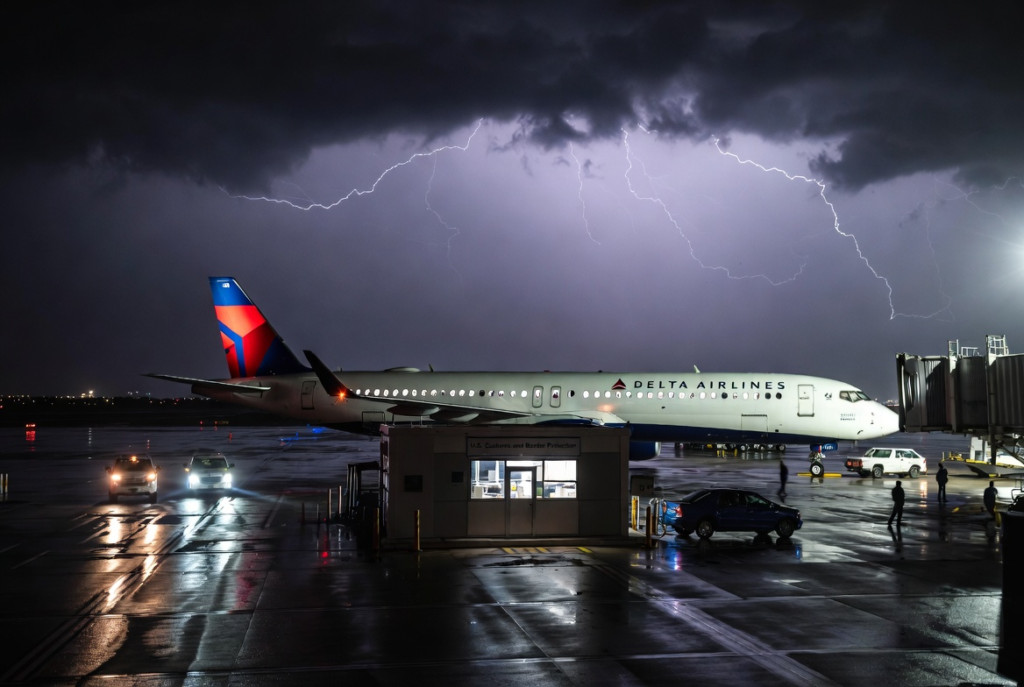
Life Inside the Plane During the Long Overnight Delay
Sitting in an airplane seat for a couple of hours is annoying, but spending an entire night trapped in a cramped metal tube is a true test of human patience. Passengers reported that they were kept on board from roughly 10:30 p.m. until well past 5:00 a.m. the following morning. To make matters worse, the plane’s galleys were not stocked for an extended stay, leaving flight attendants with only Biscoff cookies and small cups of water to pass out to tired, angry travelers.
“We were left in the dark about what was actually happening. Exhausted parents were trying to soothe crying babies, the lavatories were working overtime, and we were running entirely on fumes and cookies.”
Fortunately, the pilots kept the aircraft doors open to let fresh air circulate, and the cabin climate control systems remained active. However, no amount of air conditioning could mask the pure exhaustion felt by the families and vacationers trapped inside.
Flight Crew Duty Hours and Timing Out
As the midnight hours rolled by, another major operational hurdle arose: the flight crews “timed out.” The FAA enforces strict legal limits on how many consecutive hours pilots and flight attendants can work. These rigid laws are designed to prevent dangerous crew fatigue and protect passenger safety.
Because the severe lightning storms lingered over Montgomery much longer than expected, the clock ran out on the crew’s legal duty day. Even if the weather had suddenly cleared up at 2:00 a.m., the pilots were legally forbidden from flying the plane any further. Delta now had to arrange to transport entirely new, well-rested flight crews to Montgomery to legally fly the planes out, adding hours to an already painful delay.
How Passengers Were Finally Allowed to Deplane
Relief finally arrived as the sun began to rise around 5:15 a.m. After hours of intense negotiations between local Montgomery airport management and federal authorities, a special accommodation was reached with Customs and Border Protection. The stranded travelers were finally permitted to step off the aircraft in small, heavily monitored groups.
However, they were not given total freedom just yet. Security guards and local police officers escorted the passengers into a tightly restricted, roped-off zone within the Montgomery terminal. Travelers had to wait in long lines under strict supervision just to use the public restrooms. While it was far from a luxury experience, simply being able to stretch their legs and stand on solid ground was a massive upgrade from the cramped airplane cabin.
Delta Air Lines’ Official Response and Apology
In the wake of mounting public frustration and media scrutiny, Delta Air Lines released an official statement addressing the tarmac crisis. The airline took full responsibility for the breakdown in customer care and acknowledged that they did not meet their own high standards of service.
The company explained that the combination of prolonged lightning, crew duty limits, and international customs restrictions created a perfect storm of operational challenges. To make amends for the extreme hassle, Delta promised to issue full ticket refunds to every single passenger affected by the overnight tarmac delay. Additionally, team members worked to help passengers rebook their connecting flights once they finally reached Atlanta.
Passenger Experiences and Stories from the Ground
The true weight of this incident is best understood through the eyes of the people who lived it. Travel blogs and social media channels filled up with accounts from passengers detailing their grueling 25-hour travel journeys. Many individuals shared photos of the heavy bags under their eyes after a completely sleepless night in Alabama.
One passenger noted that after finally leaving the plane at 5:30 a.m., they had to wait several more hours inside the terminal because the aircraft had never been refueled overnight. By the time the planes took off, flew to Atlanta, cleared customs, and passengers rebooked their connections, many arrived at their final destinations more than a day late. These real-world stories serve as a stark reminder of how quickly a dream vacation can turn into an absolute logistical headache.
Understanding Tarmac Delay Rules and Regulations
This dramatic situation has reignited important conversations surrounding passenger rights and federal tarmac delay rules. Under Department of Transportation (DOT) regulations, domestic airlines face steep, multi-million dollar fines if they keep passengers trapped on a domestic flight tarmac for more than three hours, or four hours for international flights.
| Tarmac Rule Type | Time Limit | Required Amenities | Exceptions |
| Domestic Flights | 3 Hours Max | Food, water, working bathrooms, medical care | Safety, security, or Air Traffic Control instructions |
| International Flights | 4 Hours Max | Food, water, working bathrooms, medical care | Safety, security, or Air Traffic Control instructions |
However, there is a major legal catch. The countdown clock can be paused or exempted if the pilot determines there is a critical safety or security risk to deplaning, or if air traffic control advises that moving the plane would disrupt airport operations. In this specific case, the lack of customs facilities and active lightning nearby created a complex legal gray area that shielded the airline from immediate fines but left consumers paying the price.
Key Takeaways for Future Travelers
While nobody can predict a severe storm or a sudden flight diversion, there are a few smart steps you can take to protect yourself during a travel disruption:
- Pack Extra Snacks: Always keep a few protein bars or snacks in your carry-on bag in case the airline galley runs completely empty.
- Keep Essential Meds with You: Never pack critical daily medications in your checked luggage; always keep them in your purse or backpack.
- Know Your Passenger Rights: Familiarize yourself with DOT tarmac rules so you can confidently advocate for yourself during extreme delays.
- Download Airline Apps: Keep your airline’s mobile app updated to monitor live crew statuses, fuel updates, and rebooking options in real-time.
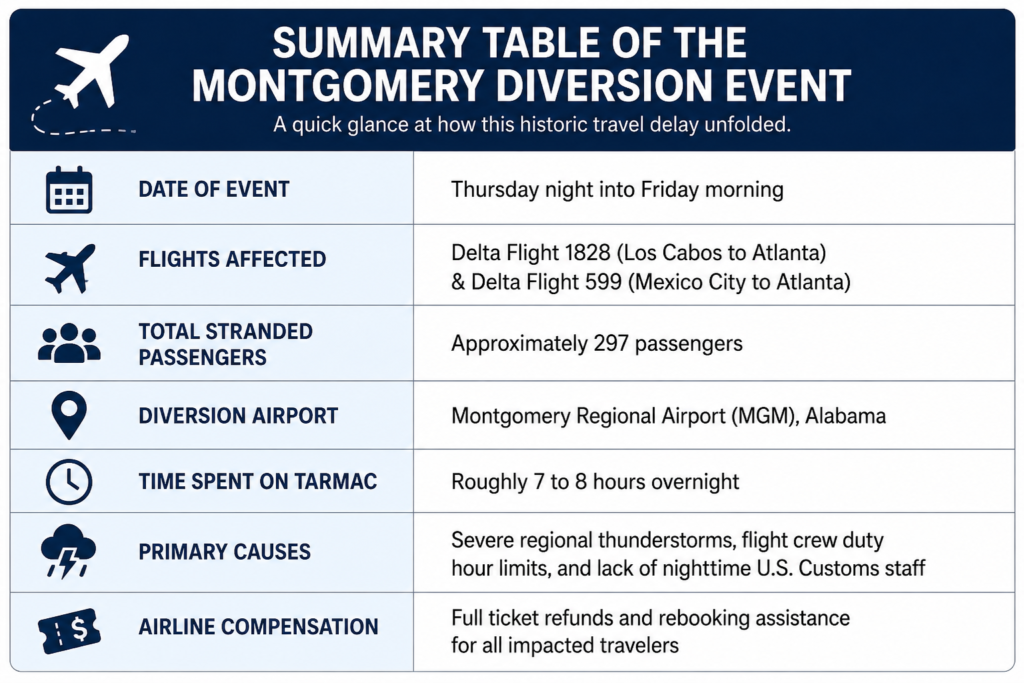
Summary Table of the Montgomery Diversion Event
For a quick glance at how this historic travel delay unfolded, look over the key facts and figures below:
Breakdown of the Delta Diversion Ordeal
- Date of Event: Thursday night into Friday morning
- Flights Affected: Delta Flight 1828 (Los Cabos to Atlanta) & Delta Flight 599 (Mexico City to Atlanta)
- Total Stranded Passengers: Approximately 297 passengers
- Diversion Airport: Montgomery Regional Airport (MGM), Alabama
- Time Spent on Tarmac: Roughly 7 to 8 hours overnight
- Primary Causes: Severe regional thunderstorms, flight crew duty hour limits, and lack of nighttime U.S. Customs staff
- Airline Compensation: Full ticket refunds and rebooking assistance for all impacted travelers
Frequently Asked Questions
Why did the delta flights diverted to montgomery in the first place?
The flights had to change course because severe thunderstorms, dangerous lightning, and wind shear completely blocked the airspace around their destination at Hartsfield-Jackson Atlanta International Airport. Montgomery was chosen as a safe alternative airport to land and wait out the weather.
Why weren’t passengers allowed off the plane immediately?
Because the flights came from international locations in Mexico, passengers could not legally enter the United States without passing through customs. Montgomery Regional Airport is a small domestic hub and did not have U.S. Customs and Border Protection staff available during the night.
What did Delta offer passengers during the long tarmac wait?
Due to limited supplies on board, flight attendants were only able to provide passengers with water and standard Biscoff cookies during the seven-hour overnight delay. The cabin doors were left open for ventilation, and the bathrooms remained operational.
What happens when a flight crew “times out”?
The Federal Aviation Administration (FAA) sets strict limits on how many hours a flight crew can legally work to prevent fatigue. Because the storm delay lasted so long, the Delta pilots and attendants hit their legal limit and were forbidden by law from flying the plane any further until they rested.
Are passengers entitled to a refund for this delay?
Yes. Delta Air Lines formally apologized for the operational breakdown and announced that they are issuing full refunds to every single passenger trapped on those two diverted flights.
How can I track future airline tarmac delays or flight statuses?
You can easily track real-time flight paths, diversions, and airport delays using free live tracking tools like FlightRadar24 or FlightAware, as well as checking official airline mobile apps.
Conclusion
The story of the delta flights diverted to montgomery is a powerful reminder of how fragile modern air travel infrastructure can be when severe weather strikes. While the pilots made the correct choice to land safely and protect passenger lives from dangerous storms, the operational breakdown that followed exposed massive flaws in how airlines and small airports handle international diversions.
Hopefully, this painful learning experience will push major airlines and federal border agencies to build better backup protocols, ensuring that trapped passengers are never again left waiting on a dark runway till dawn. Have you ever experienced a major flight diversion or a lengthy delay on the tarmac? Share your travel stories and thoughts in the comments below!
