How to Prepare Your HVAC System for Extreme Temperatures
Proper preparation of your HVAC system is essential to ensure reliable performance during extreme temperatures, whether it is the scorching heat of summer or the biting cold of winter. Homes and businesses that rely on HVAC systems often experience disruptions or inefficiencies when their systems are not properly maintained or prepared for seasonal changes. Neglected systems may struggle to maintain comfortable indoor temperatures, leading to higher energy bills, uneven heating or cooling, and even unexpected breakdowns at critical times.
We will explore practical measures to prepare HVAC systems to handle temperature extremes safely and efficiently. These strategies include regular inspections, maintenance routines, and protective steps that help prevent strain on your equipment. Working with a trusted provider like Semper Fi Heating and Cooling in Tucson can ensure that your system receives the attention it needs to operate reliably. By investing time in preparation, you can enhance system efficiency, reduce repair costs, and maintain a consistent indoor environment despite the fluctuations in Tucson’s climate.
Inspection and Maintenance
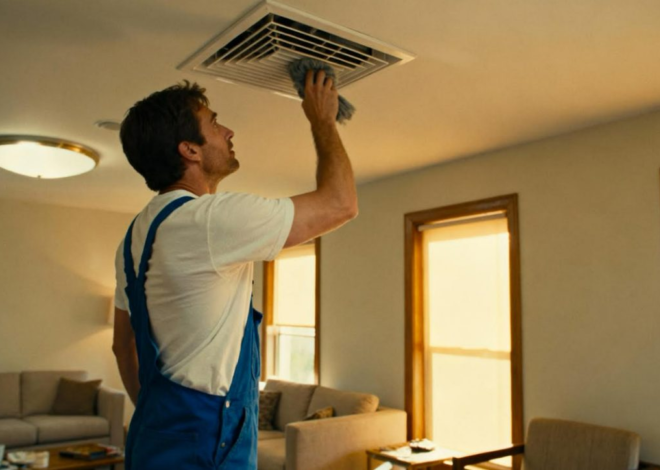
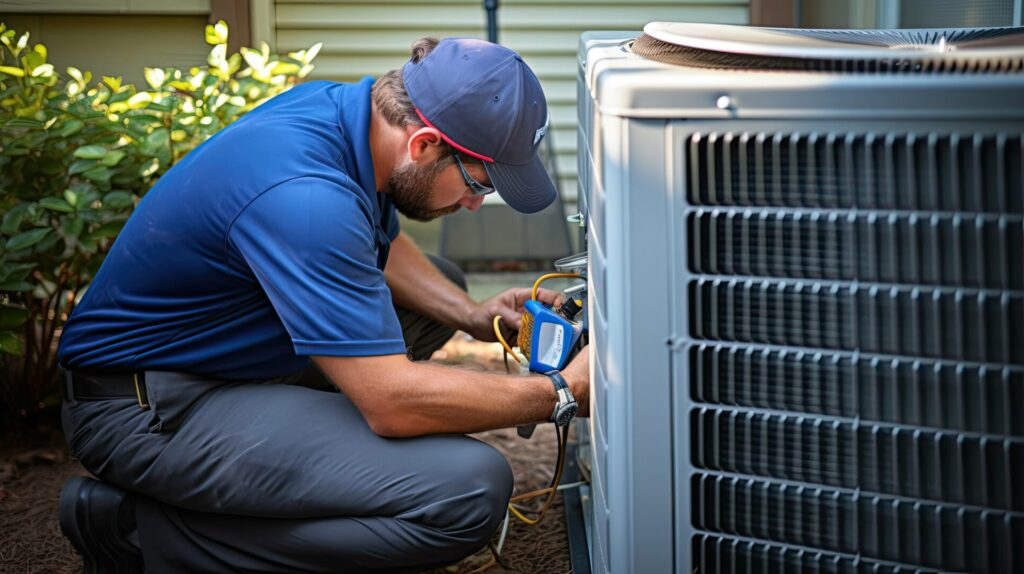
Routine inspection and maintenance are the foundation of any preparation plan for extreme temperatures. HVAC systems consist of complex components, including air handlers, compressors, condensers, ductwork, and thermostats, all of which require attention. Start with cleaning or replacing air filters, as clogged filters restrict airflow, forcing the system to work harder and consume more energy. Inspecting ductwork is equally important; leaks, gaps, or obstructions reduce efficiency and can cause uneven heating or cooling. Outdoor units must be cleared of debris, such as leaves, dust, or dirt, which can impede airflow and damage sensitive components.
Checking refrigerant levels ensures the system can adequately cool spaces during hot weather, while inspecting electrical connections prevents sudden shutdowns or fire hazards. For furnaces and heat pumps, inspecting burners, heat exchangers, and fans is crucial. Skipping these checks often leads to preventable malfunctions. Regular maintenance enhances performance, reduces stress on the system, and ensures your HVAC system operates reliably during temperature extremes, which place the highest demand on it.
Protecting Your System from Heat Stress
Air conditioning systems face significant challenges during periods of extreme heat, especially in areas like Tucson, where summer temperatures can soar. The outdoor condenser unit is particularly vulnerable, as prolonged exposure to direct sunlight increases internal pressure and can lead to mechanical failure. Positioning the unit in a shaded area or installing a protective cover that does not restrict airflow can help mitigate overheating. Keeping plants, furniture, or other objects away from the unit allows air to circulate freely, ensuring optimal performance. Inside your home or building, sealing windows and doors, upgrading insulation, and closing blinds or curtains during peak heat hours can significantly reduce the cooling load.
Programmable thermostats or smart temperature control systems allow gradual temperature adjustments rather than sudden changes, reducing strain on the compressor and preventing excessive energy use. Monitoring energy consumption during hot periods can also alert you to inefficiencies or early signs of equipment fatigue. By implementing these precautions, your HVAC system is better equipped to maintain a stable indoor climate and perform efficiently during the most demanding summer conditions, preventing costly breakdowns or reduced cooling capacity.
Winter Readiness and Cold Weather Protection
While summer brings heat stress, winter exposes HVAC systems to entirely different challenges. Heating units, including furnaces, boilers, and heat pumps, must be ready to deliver warmth consistently during cold snaps. Inspecting these systems early in the season helps identify worn-out parts, airflow restrictions, or other issues before temperatures drop. Vents and registers should be cleaned and unobstructed to prevent uneven heating and system strain. Exposed pipes should be insulated to prevent freezing, which can damage both the piping and the HVAC unit. Sealing drafts around windows, doors, and other openings prevents heat loss and reduces the workload on your heating system.
Checking fans, belts, and motors is essential, as the mechanical stress of cold weather can exacerbate wear and tear. Regularly monitoring fuel or energy supplies, particularly for systems that rely on natural gas or propane, ensures uninterrupted operation. Preparing for winter also involves ensuring that thermostats are accurate and functional, as faulty sensors can cause the system to operate inefficiently. By proactively addressing these aspects, your HVAC system can keep your home or workplace warm safely and efficiently throughout cold weather, avoiding emergency repairs and maintaining comfort.
Professional Assessment and System Upgrades
Beyond routine maintenance and energy-saving practices, considering professional assessment or system improvements can further prepare your HVAC system for extreme temperatures. Upgrading to higher-efficiency components, such as variable-speed compressors or modern programmable thermostats, improves performance and allows for more precise temperature control. Sealing and insulating ductwork professionally ensures minimal energy loss and consistent airflow throughout the building.
Assessing your system’s size and capacity in relation to the building it serves is important; an undersized system may struggle during heatwaves or cold spells, while an oversized system can cycle inefficiently. Adding surge protection or ensuring that electrical systems are robust reduces the risk of damage from power fluctuations during storms or extreme weather events. These enhancements not only improve reliability but also increase comfort and operational predictability, making it easier to maintain indoor conditions during the most demanding periods.
Proper preparation of your HVAC system for extreme temperatures involves regular inspection, maintenance, and practical measures to reduce strain on the system. By addressing heat stress, cold weather readiness, energy efficiency, and potential system upgrades, you can ensure your heating and cooling equipment operates reliably when it is most needed. Proactive attention to filters, ductwork, electrical connections, insulation, and airflow can prevent costly repairs and avoid interruptions in comfort.
Implementing these strategies helps extend the lifespan of your system, maintain consistent indoor temperatures, and reduce energy consumption. Homeowners and businesses that dedicate time and effort to preparing their HVAC systems can confidently face extreme seasonal weather, ensuring a safe and comfortable environment year-round while reducing the likelihood of unexpected malfunctions or breakdowns.