How Australian Students Are Managing Study Pressure in 2026: A New Era of Academic Resilience
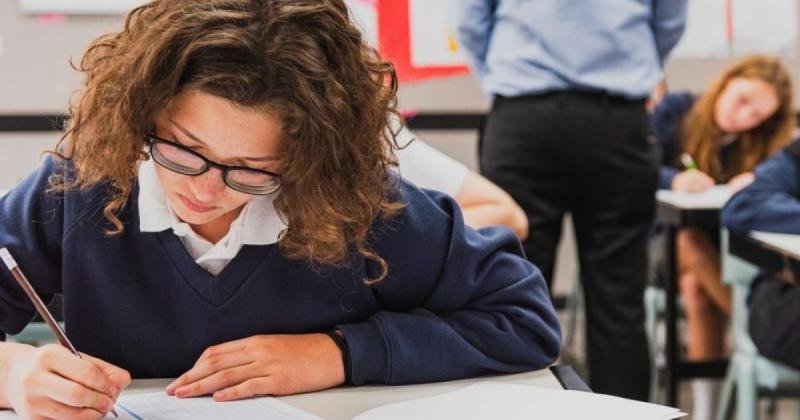
The Australian education landscape in 2026 is vastly different from the post-pandemic recovery years. For high school seniors tackling the HSC (NSW), VCE (VIC), QCE (QLD), SACE (SA), or WACE (WA), and university students navigating increasingly competitive degrees at institutions like the University of Sydney or Monash, the pressure to perform has never been higher. However, the way students respond to this pressure has undergone a radical transformation.
In 2026, the “grind culture” of the past—characterized by burnout and caffeine-fueled all-nighters—is being replaced by “strategic resilience.” Australian students are leveraging emerging technologies, shifting institutional mindsets, and adopting a revamped approach to mental health to maintain their competitive edge.
The 2026 Academic Climate: Why the Pressure?
Before diving into the solutions, it is essential to understand the unique stressors of 2026. The integration of Agentic AI in classrooms, the rising cost of living in major hubs like Sydney and Melbourne, and the rapidly evolving job market have created a “high-stakes” environment.
Students are no longer just competing with their local peers; they are competing with global standards and automated systems. This has led to a surge in the demand for specialized, high-tier support. Many are seeking expert academic help for Australian students from Myassignmenthelp to bridge the gap between classroom learning and the high-level analysis required for top-tier ATAR scores.
1. The Rise of AI-Integrated Study Ecosystems
In 2026, AI is no longer be viewed as a “cheat code”—it is a core component of the Australian National Curriculum. Students are managing pressure by using AI as a personalized tutor rather than a shortcut for content generation.
Hyper-Personalized Learning Schedules
Students now use predictive analytics to determine their “peak cognitive hours.” Instead of pulling all-nighters, an undergraduate at the University of Queensland might use an AI tool to schedule their most demanding tasks—like organic chemistry or macroeconomics—during the specific hours their brain is most receptive to complex logic.
Real-time Feedback Loops and Drafting
The anxiety of waiting weeks for a grade on a major internal assessment is being mitigated by AI-driven drafting tools. These tools provide instant feedback on structure, tone, and citation accuracy. By using these systems, students can refine their work before final submission, significantly reducing “submission dread”—a primary driver of student burnout in previous decades. In the past, this overwhelming pressure often led students to search for ways to pay someone to do my homework , but modern integrated tools are now helping them regain agency over their own academic output.
2. The “Soft Skills” Revolution across the States
Australian high schools have pivoted. While the ATAR (Australian Tertiary Admission Rank) remains a significant milestone for university entry, there is a newfound focus on “Human Skills”—critical thinking, emotional intelligence, and stress management.
State-Specific Resilience Programs
In 2026, many secondary colleges have integrated “Modern Resilience” into their weekly schedules. These aren’t just quiet meditation sessions; they are data-backed workshops on cognitive behavioral techniques tailored to the specific assessment styles of each state:
- NSW (HSC): Workshops focus on managing the stamina required for long-form written responses.
- Victoria (VCE): Emphasis is placed on handling the “General Achievement Test” (GAT) and the pressure of frequent School-Assessed Coursework (SACs).
- Queensland (QCE): Strategies center on the “External Assessment” (EA) periods that define the end of Year 12.
Peer Support and Micro-Communities
Schools are fostering “Micro-Communities” where Year 12 students mentor Year 10s. This vertical integration helps seniors gain perspective and leadership skills while providing younger students with a roadmap for the years ahead. It humanizes the ATAR journey, moving it away from a cold ranking system toward a shared community experience.
3. Strategic Delegation: The Normalization of Academic Outsourcing
One of the most significant shifts in 2026 is the normalization of academic outsourcing. Just as a modern business delegates specialized tasks to experts to ensure quality and efficiency, high-performing Australian students are learning to delegate.
With the 2026 curriculum becoming increasingly dense, students are focusing their energy on core exams and practical assessments while seeking assistance for heavy research tasks. Utilizing strategic assignment delegation through Myassignmenthelp.services has become a standard strategy for managing overwhelming workloads.
The Logic of Productivity
This isn’t about avoiding work; it’s about workload management. By getting expert help with complex research or technical formatting, a student can reclaim 10–15 hours a week. This “reclaimed time” is then reinvested into:
- High-Value Study: Focusing on 1-on-1 tutoring for difficult subjects.
- Restorative Sleep: Ensuring the brain can consolidate memories of what was learned.
- Extracurriculars: Maintaining the “well-rounded” profile required for modern university scholarships.
In the corporate world of 2026, delegation is a prized skill. Students are simply applying that professional logic to their education to avoid the “burnout plateau.”
4. The “Off-Grid” Movement: Digital Detox for Deep Work
Ironically, in a world dominated by tech, the most successful Australian students are those who know when to switch it off. “Digital Minimalism” has become a badge of honor among elite students in Melbourne, Perth, and Brisbane.
Focus Cafes and Tech-Free Zones
Across Australian campuses, “Deep Work Zones” are popping up. These are areas where signal jammers (legally sanctioned for specific study environments) prevent social media notifications from breaking a student’s flow state. By engaging in 90-minute “sprints” of total disconnection, students are completing tasks in half the time it took their predecessors who were constantly interrupted by “pings.”
5. Physical Health as Academic Fuel
The “starving student” trope—surviving on instant noodles and energy drinks—is effectively dead. In 2026, the link between the gut-brain axis and academic performance is common knowledge in Australian households.
Nutritional Psychiatry
Students are opting for “brain foods” over synthetic stimulants. Diets rich in Omega-3s and low-glycemic index carbohydrates are being promoted in university refectories to prevent the “afternoon slump.” Many students now use “nootropic-lite” supplements—natural focus enhancers like L-Theanine and Bacopa Monnieri—which are widely discussed in student forums.
Exercise Snacking
The 2026 student doesn’t necessarily spend two hours at the gym. Instead, they utilize “exercise snacking”—short, 10-minute bursts of high-intensity movement (HIIT) between study blocks to spike dopamine and BDNF (Brain-Derived Neurotrophic Factor), which aids in neuroplasticity and memory retention.
6. Financial Pressure and the “Earn-While-You-Learn” Balance
We cannot discuss study pressure without mentioning the financial climate. In 2026, the cost of living remains a top concern for domestic and international students alike.
To manage this, Australian students are turning to “Micro-Internships” and freelance “Gig-Learning.” Instead of working a traditional retail job that drains energy, students are taking on short-term, remote projects related to their field of study. This provides:
- Financial Relief: Reducing the stress of rent and groceries in expensive cities like Sydney.
- Contextual Learning: Seeing how their degree applies in the real world, which makes the theory easier to digest and more relevant.
7. Institutional Changes: The Death of the High-Stakes Final Exam?
There is a growing movement within the Australian government and educational bodies like TEQSA to move away from the “one exam to rule them all” model. By 2026, many universities have shifted toward Continuous Authentic Assessment.
Instead of a 100% final exam, students are graded on portfolios, industry simulations, and collaborative projects. This distributed pressure model prevents the “blackout” phenomenon often associated with traditional exams, allowing students to demonstrate their knowledge consistently over a semester.
Roadmap for 2026 Students: How to Beat the Burnout
If you are a student feeling the weight of your degree or your ATAR, here is the 2026 roadmap to managing the pressure:
- Audit Your Time: Use an app to track where your hours go. If you’re spending 4 hours a day on “passive” scrolling, that is your primary source of time-pressure.
- Build Your Support Team: Don’t suffer in silence. Use university counseling services, join study groups, and don’t hesitate to use professional academic services from Myassignmenthelp.services when the workload exceeds your healthy capacity.
- Prioritize Sleep Above All: In 2026, we know that a brain running on 4 hours of sleep is functionally equivalent to a drunk brain. Sleep is not a luxury; it is your most effective study tool.
- Focus on Internal Assessments (SACE/WACE/HSC): Don’t wait for the finals. Treat every internal assessment as a chance to bank “safety points” for your final rank.
Frequently Asked Questions
Q.1 How is the ATAR calculated in 2026?
While the core ranking algorithm remains similar, the 2026 ATAR increasingly accounts for a broader range of internal assessments and, in some pilot programs, micro-credentials in digital literacy and agentic AI. It remains a percentile rank (0.00 to 99.95) comparing your overall performance against all other students in your state.
Q.2 What is the best way to handle HSC or VCE exam anxiety?
The most effective 2026 strategy is “Cognitive Reframing.” Instead of viewing an exam as a threat, students are taught to view it as a performance opportunity. Utilizing data-backed study schedules and outsourcing heavy research via Myassignmenthelp.services can also reduce the physical workload that often triggers anxiety.
Q.3 How much time can I save by delegating my research?
On average, high-performing students who use strategic assignment delegation save between 10 to 15 hours per week. This time is typically reinvested into exam preparation for high-weightage subjects like Advanced Mathematics or Physics, where human-led problem-solving is critical.
Conclusion
Managing study pressure in 2026 isn’t about working harder; it’s about working smarter and being kinder to yourself. Australian students are leading the world in redefining academic success—balancing high-tech tools with high-concept wellness strategies.
By embracing delegation, utilizing AI responsibly, and protecting their mental health, the students of 2026 are not just surviving their degrees—they are thriving. Whether you are in the heart of Sydney or studying remotely in the Outback, remember: the pressure is inevitable, but the struggle is optional. Equip yourself with the right tools, ask for help when you need it, and keep your eyes on the finish line.
About the Author: Drake Miller
I am a passionate blog author associated with Myassignmenthelp.services, dedicated to creating informative and engaging content for students worldwide. My work focuses on academic guidance, study tips and assignment help across various subjects. I aim to simplify complex topics, helping learners improve their understanding, boost confidence, and achieve academic success through reliable and well-researched insights.