How Do HVAC Contractors Detect Early Signs of System Failure Before Breakdowns?
Most HVAC systems do not fail without warning. Long before a complete breakdown occurs, the system usually begins to show subtle signs that something is changing within the equipment, the airflow path, or the control sequence. The trouble is that many of those signs are easy for homeowners to miss because the unit may still turn on, produce heating or cooling, and appear to be working well enough. HVAC contractors pay attention to those early shifts because they often reveal problems while repairs are still smaller, less disruptive, and easier to plan. Detecting system failure early is often about noticing patterns before they become emergencies.
Catching Problems Before They Escalate
- Small Performance Changes Matter
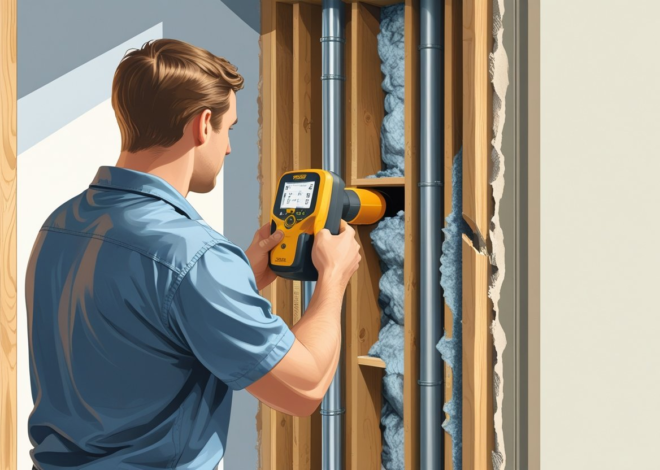
One of the main ways HVAC contractors detect early signs of system failure is by monitoring small changes in system performance during normal operation. A unit may still be heating or cooling, but it may take longer to reach the thermostat setting, cycle more often than usual, or produce weaker airflow in parts of the home. Contractors know that these changes often point to developing issues rather than random fluctuation. A blower motor may be losing strength, a capacitor may be weakening, a filter restriction may be increasing static pressure, or a coil may be collecting enough dirt to reduce system efficiency. Early warning signs also appear in temperature-split readings, unusual runtime patterns, and shifts in noise levels that suggest moving parts are operating under strain. Instead of waiting for the system to stop entirely, contractors use these smaller clues to understand how performance is changing over time. Even an issue that seems minor, such as a slight delay in startup or a subtle drop in airflow, can indicate that a larger failure is building behind the scenes. That is why service inspections focus not just on whether the unit runs, but on how smoothly and consistently it runs under normal demand.
- Inspection Reveals Hidden Stress Points
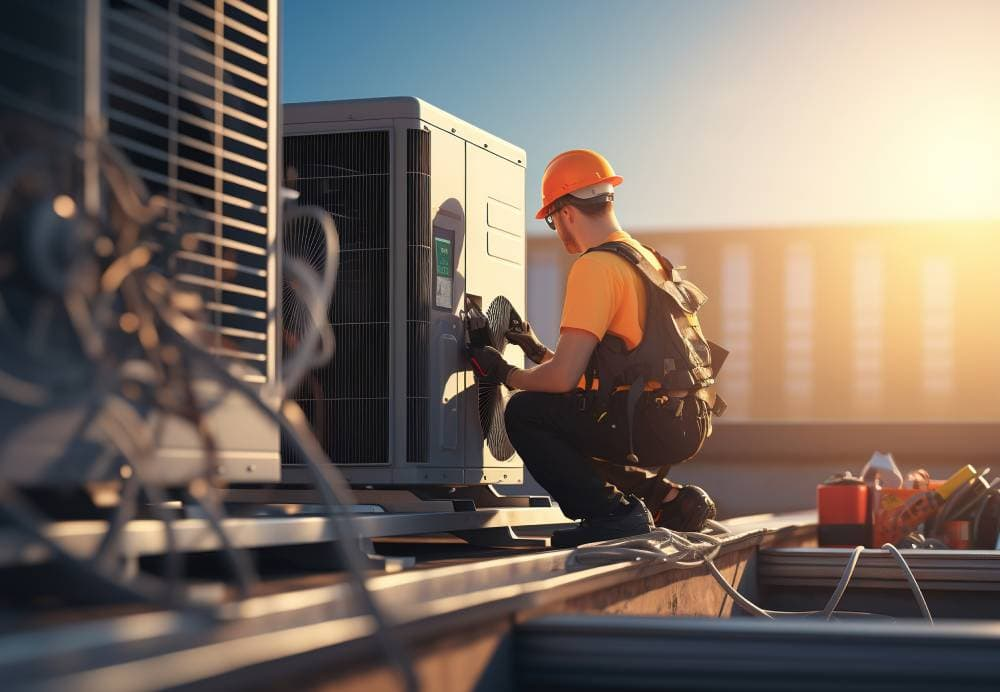
Contractors also detect early system failure by inspecting the parts of the system that often begin to struggle before an outright breakdown occurs. Electrical components are a common example. Contactors, capacitors, wiring connections, and relays can begin to show signs of wear long before the system stops responding. A contractor may notice heat damage, corrosion, pitting, swelling, or inconsistent readings that suggest a part is no longer operating reliably. Mechanical components can tell a similar story. Bearings may begin to wear, motors may draw unusual amperage, and belts or blower wheels may show signs of imbalance or buildup, affecting airflow and efficiency. Refrigerant-related issues may also appear early as abnormal pressures, reduced temperature changes, or signs of oil around fittings, indicating a leak. Homeowners often start looking into Semper Fi Heating and Cooling near Tucson when they realize that professional inspections can identify these warning signs before a summer or winter breakdown leaves the home without comfort. Contractors do not wait for dramatic symptoms alone. They look for the quieter indicators of strain because systems often give notice through measurable changes in components that are still functioning but no longer operating as they should.
- Noises, Cycling, and Airflow Tell a Story
Another important part of early detection involves listening to the system and studying its behavior over a full operating cycle. Unusual sounds are often one of the earliest clues that something is shifting. Buzzing, rattling, humming, grinding, or delayed-startup noises may indicate electrical trouble, loose components, blower issues, or compressor stress. Contractors also look at how the system starts and stops. A unit that short-cycles, hesitates at startup, or runs much longer than expected may be signaling control problems, airflow restrictions, a refrigerant imbalance, or sensor issues. Airflow itself is another key clue. If contractors find weak delivery at supply vents, inconsistent room temperatures, noisy returns, or pressure imbalances when doors close, they know the equipment may be operating under conditions that increase wear over time. These symptoms matter because system failure is often the final result of stress that has been building for weeks or months. A contractor who reads those early symptoms correctly can often prevent the breakdown that would otherwise occur later. This is why contractors do more than verify that a unit powers on. They observe whether it starts cleanly, moves air properly, responds to the thermostat accurately, and maintains steady operation without signs of strain.
Why Early Detection Matters
HVAC contractors detect early signs of system failure by monitoring subtle performance changes, inspecting stressed components, analyzing runtime and airflow behavior, and comparing current conditions to the system’s service history. These steps matter because most breakdowns do not come out of nowhere. They build from smaller warning signs that become more serious when ignored. Catching those signs early can reduce repair costs, prevent emergency outages, and protect the system from operating under unnecessary strain. When contractors focus on how the unit behaves before it fails, they give homeowners a better chance to address trouble while the system is still running and before comfort is suddenly lost.